
Mobile Home Power Connection: A Complete Guide
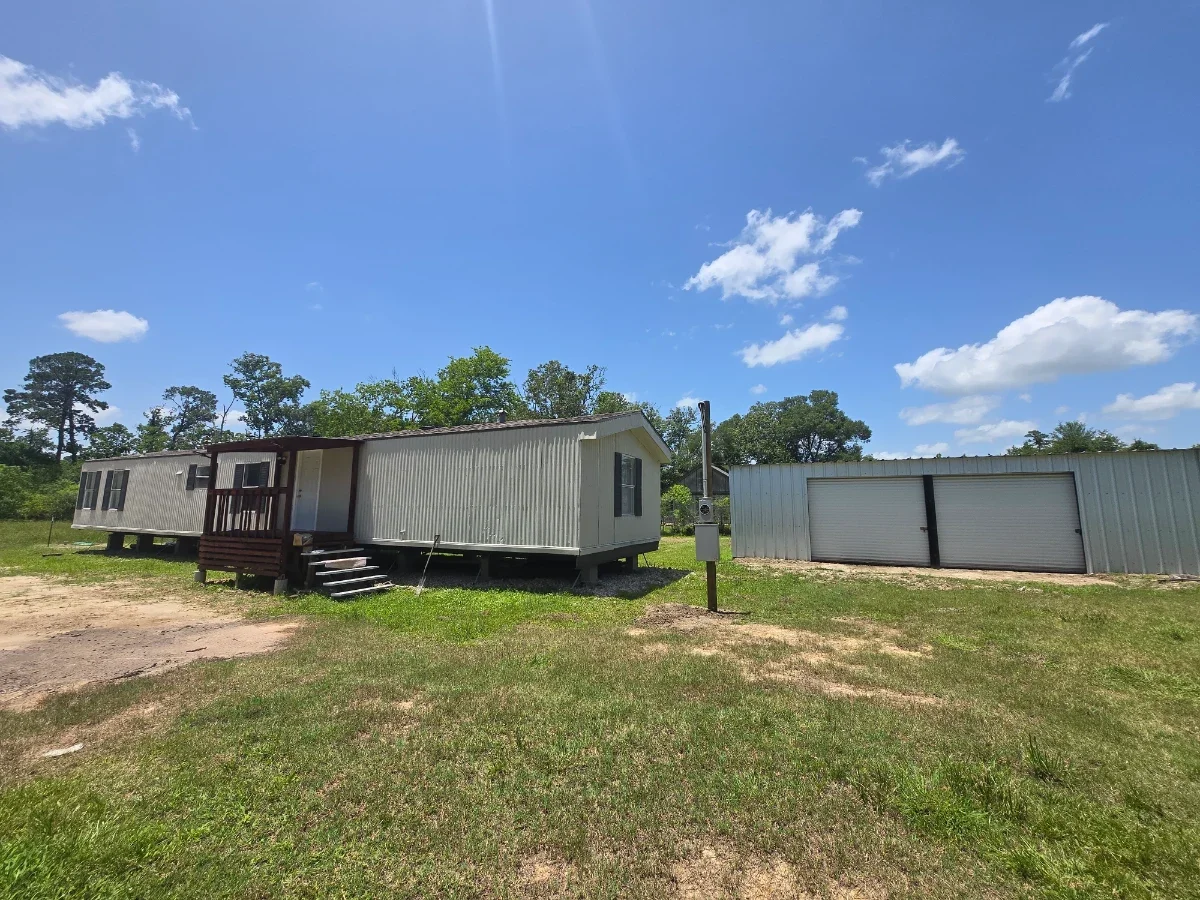
Setting up electrical service for a mobile or manufactured home involves more than just having the utility company connect a meter. There's a complete process that starts with installing a proper meter pole and ends with safe, code-compliant underground wiring bringing power to your home. Understanding this process can help you plan effectively and avoid costly delays or mistakes.
The Two-Part Process
Mobile home power connection typically happens in two main phases. First, you need a meter pole installation that meets your energy provider's specifications. This standalone structure holds the meter base and serves as the point where the utility company connects their service lines. Once the meter pole is in place and approved, the second phase involves running underground electrical lines from the meter pole to your home's electrical panel.
Many homeowners mistakenly think the meter pole installation is all they need, only to discover they're still not connected to power. The underground connection is a separate but equally important part of the process, and it must be done correctly to pass inspection and ensure safe operation.
Starting with the Meter Pole
Your meter pole needs to be installed before any underground work can begin. The pole location is critical—it needs to be positioned where the utility company can easily connect their overhead or underground service lines, while also being a reasonable distance from your home for the underground connection. Most energy providers have specific requirements about how far the meter pole can be from property lines, roads, and structures.
The meter pole itself must be built to your specific energy provider's standards. This includes the correct pole height, proper meter base mounting, appropriate grounding, and approved materials throughout. Each energy company in Southeast Texas has its own specifications, so what works for one provider might not meet another's requirements.
Understanding Underground Connections
Once your meter pole is installed and approved, the underground connection brings power from that pole to your mobile home's electrical panel. This work involves several important steps that must be done correctly for safety and code compliance.
The process starts with trenching—digging a proper pathway from the meter pole to your home. The trench must be deep enough to meet local code requirements, which typically means at least 18 to 24 inches depending on the type of conduit and wire being used. The trench route should be as direct as reasonably possible while avoiding obstacles and minimizing disruption to your property.
Inside this trench goes electrical conduit, which is essentially protective piping that shields the electrical wires from moisture, physical damage, and soil contact. The type of conduit required can vary, but it must be rated for underground burial and approved by your local building code. Proper connections at both ends ensure the conduit system is watertight and secure.
Wire Selection and Installation
The electrical conductors running through the conduit must be properly sized for your home's electrical needs. For most mobile homes with 200 amp service, this means using appropriately gauged wire that can safely handle that capacity. Using undersized wire is dangerous and will fail inspection, while oversized wire unnecessarily increases costs.
The wires are pulled through the conduit using specialized techniques and equipment. This must be done carefully to avoid damaging the wire insulation, which could create serious safety hazards. At both ends—the meter pole and your home's panel—the connections must be made securely and according to electrical code.
Grounding and Safety
Proper grounding is essential for electrical safety in any installation, but it's especially important in mobile home applications. The grounding system provides a safe path for electrical current in fault conditions and helps protect against lightning strikes. This typically involves grounding rods driven to the proper depth at both the meter pole and near your home's electrical panel, all properly bonded together.
Inspection and Activation
Before your power can be turned on, inspections are required. A local building inspector will verify that the underground installation meets electrical code requirements. The utility company will also inspect to ensure everything meets their standards for meter installation and service connection. Only after these inspections are passed can the utility install your meter and activate service.
Failed inspections mean delays and potentially costly corrections. Common issues include improper trench depth, inadequate wire sizing, poor grounding connections, or using non-approved materials. Working with experienced professionals who understand both code requirements and utility standards helps avoid these problems.
Why Professional Installation Matters
While some property owners consider handling parts of this work themselves to save money, the reality is that electrical work requires expertise, proper tools, and thorough knowledge of codes and standards. Mistakes can result in failed inspections, delayed power connection, safety hazards, or even damage to your home's electrical system.
Professional installers bring experience with local soil conditions, utility requirements, and proven installation techniques. They have the equipment to dig trenches properly, pull wire efficiently, and make secure connections that will last. Most importantly, they understand what inspectors are looking for and can ensure your installation passes on the first try.
Ready to Connect Your Mobile Home?
We handle everything from meter pole installation through final underground connections. Get your power connected right the first time.
